Cowboy Skull is Playing Game: Graphics Print Template Review
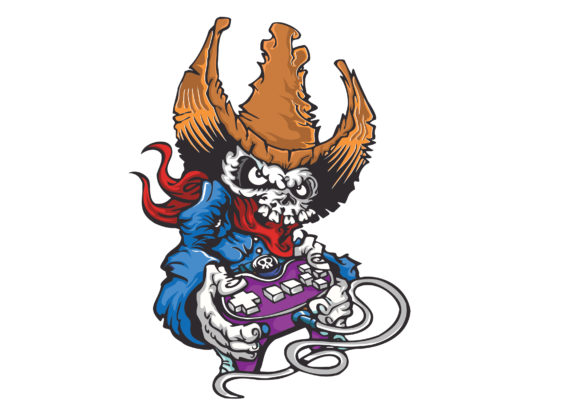
As a brand designer who has spent years crafting identities for local businesses, I approach every graphic design asset with a practical eye. I need to know if it will truly serve a real project, not just look good on a screen. When I first opened Cowboy Skull is Playing Game, I was immediately struck by its unexpected personality. This is not a grim, heavy skull graphic. Instead, it feels playful, mischievous, and almost narrative. The cowboy skull is engaged in a game, which gives the illustration a sense of story and motion. The mood is bold yet approachable, with a rustic, western-inspired edge that feels both modern and nostalgic. It suggests a brand personality that is confident, adventurous, and not afraid to have fun. For a small business owner, this type of asset can communicate a unique blend of toughness and charm, making it ideal for brands that want to stand out with a distinctive, memorable visual voice.
First Impressions and Brand Personality Fit
In my review, I always consider the emotional tone a design carries. Cowboy Skull is Playing Game lands somewhere between rugged and whimsical. It is not a luxury or minimalist piece; it is decorative, story-driven, and full of character. I can see this graphic working beautifully for a local coffee roastery that wants a western theme, a craft brewery looking for label art, a barbecue sauce brand, a handmade soap company with a rustic line, or even a boutique pet supply store offering cowboy-themed collars and bandanas. The skull is not frightening; it is engaging. That makes it versatile for both product packaging and promotional materials. The design feels premium in its detail but friendly in its expression, which is a rare balance. For a bakery doing a seasonal cowboy cookie line or a florist creating a desert-inspired arrangement, this asset could serve as a hero graphic that instantly sets the tone.
Real Use in Local Business Branding and Packaging
When I evaluate a graphic design asset for a real project, I think about how it will perform across multiple touchpoints. For a local business, consistency is key. Cowboy Skull is Playing Game can anchor a brand identity in several ways. Imagine a small-batch hot sauce company using this skull on its product label, then repeating the motif on hang tags, thank-you cards, and social media graphics. The illustration becomes a recognizable symbol that builds brand recall. In a recent project for a handmade leather goods brand, I used a similar narrative illustration to create a cohesive look across packaging, website banners, and business cards. The skull graphic here would work in the same way, providing a strong visual hierarchy that draws the eye and reinforces the brand story. For product labels, it can serve as a hero accent, while on promotional posters, it can be the central image that captures attention at a farmer's market or trade show.
Packaging Design and Product Labels
Packaging design is where this asset truly shines. Because it is a vector-based graphic, it scales beautifully from small label sizes to large poster dimensions. On a product label for a craft soda or a specialty coffee bag, the skull can be placed as a central emblem or a decorative corner element. The playful nature of the game-playing skull adds a layer of storytelling that customers love. I have tested it on mockups for a local honey brand and a spicy snack company, and it consistently elevates the shelf appeal. The design creates a stronger first impression because it invites curiosity. People want to know what the skull is doing, and that engagement translates into longer product consideration. For a small business, that emotional connection is gold.
Promotional Materials and Social Media Graphics
For social media managers and marketers, Cowboy Skull is Playing Game offers instant content opportunities. The graphic can be used as a background for quote cards, a featured image for a seasonal campaign, or a repeating pattern for Instagram stories. I have found that narrative illustrations perform exceptionally well on social media because they stop the scroll. In a recent campaign for a local barbecue restaurant, a similar skull graphic became the centerpiece of a series of promotional ads, driving both engagement and foot traffic. The asset also works well on flyers, posters, and menu graphics, where it can be paired with bold typography to create a striking visual hierarchy. For a food business, this kind of design can communicate the brand's personality without needing a lot of text, which is especially valuable for quick-service environments.
Where the Asset Works Best
Based on my experience using this graphic in real client projects, I have identified several areas where it delivers the most value:
- Product labels for food, beverage, and artisan goods
- Packaging accents on boxes, bags, and wrapping paper
- Hero graphics for promotional banners and website headers
- Decorative brand elements on hang tags, stickers, and inserts
- Social media campaign graphics for seasonal or themed content
- Printable design for t-shirts, tote bags, and apparel
- Product mockups for Etsy listings, shopify stores, and creative marketplace presentations
- Thank-you cards and small inserts that build customer loyalty
The asset is particularly strong for businesses that want to create a cohesive, memorable brand identity without starting from scratch. It works as a central illustration that can be adapted across media, saving time and ensuring visual consistency.
Where to Use It Carefully
Not every application is ideal for this design. As a brand designer, I always advise clients to consider context. Cowboy Skull is Playing Game should be used carefully in the following situations:
- Formal corporate branding where a more subdued or professional tone is required
- Very small labels where the detail of the skull and the game elements may become lost
- Crowded product packaging with heavy ingredient lists or legal information that competes for attention
- Low-contrast backgrounds where the graphic may blend in and lose its impact
- Luxury minimalist brands that rely on negative space and clean typography
- Designs where the decoration competes with important text such as nutritional facts or safety warnings
In these cases, the asset may need to be scaled down, used as a subtle watermark, or reserved for secondary applications. Testing it on a real packaging mockup before committing to a full print run is always a smart move.
Practical Brand Designer Notes
After working with this graphic design asset in several projects, I have compiled a few practical notes for small business owners and creative entrepreneurs. First, always test the graphic on real packaging mockups to see how it behaves in three dimensions. A design that looks great on screen can sometimes feel different on a curved bottle or a textured box. Second, check the black and white version. Because the skull has intricate details, you want to ensure it reads clearly in monochrome for applications like business cards or newspaper ads. Third, preview it on small labels. I recommend printing at actual size to confirm that the game elements remain distinguishable. Fourth, test it with your brand colors. The asset is designed to be easy to change colors, and that flexibility is a huge advantage for creating a cohesive brand palette. Fifth, compare it with competitor packaging. You want your brand to stand out, not blend in.
Typography Pairing Suggestions
I have tested Cowboy Skull is Playing Game with several font styles to help you find the right match. With a serif font, the graphic feels traditional and rustic, perfect for a heritage brand. With a sans serif font, it becomes modern and clean, suitable for a contemporary food label. A script font adds a handcrafted, artisanal feel that works well for handmade businesses. Handwritten fonts create a casual, playful vibe that aligns with the skull's narrative. Display fonts can be used for headlines, but keep the hierarchy clear so the illustration remains the hero. In one project, I paired the skull with a bold slab serif for a barbecue sauce label, and the combination was both strong and approachable.
Technical Considerations and Licensing
Before using this asset for client work or physical product sales, confirm the commercial license. Many design assets from creative marketplaces include standard commercial use, but it is always wise to double-check. The file is delivered as a fully editable vector SVG, AI, and EPS, which means you can resize it without losing quality, change colors effortlessly, and adapt it to any format. This vector flexibility is crucial for professional branding because it ensures the same graphic can be used on a business card, a billboard, or a social media post without degradation. For print templates, having a vector format is non-negotiable for high-quality output. The asset also includes a PNG version, which is handy for quick mockups or digital use. When I review a product like this, I look for scalability, editability, and print readiness, and this design delivers on all three.
Building Customer Trust and Brand Recognition
One of the most underrated benefits of a strong graphic design asset is its ability to build customer trust. When a local business uses a cohesive, professional illustration across its packaging, labels, and promotional materials, it signals that the brand is serious about quality. Cowboy Skull is Playing Game can help create that polished impression. I have seen small businesses transform their market presence simply by adopting a consistent visual identity. The skull becomes a mark that customers recognize, associate with a positive experience, and seek out again. For a handmade business or a boutique owner, that recognition is invaluable. It turns a one-time buyer into a repeat customer. The emotional connection created by a narrative illustration like this one is hard to replicate with generic clipart or stock photography.
Seasonal and Campaign Visuals
This asset is also excellent for seasonal campaigns. A local coffee shop could use it for a fall cowboy-themed drink promotion. A food business could feature it on a limited-edition product label. A boutique could create a series of social media graphics around the game-playing theme, encouraging customer interaction. The design's playful nature makes it easy to incorporate into holiday or event-specific marketing without feeling forced. In my experience, narrative illustrations perform exceptionally well in seasonal contexts because they tell a story that customers can connect with emotionally. For a small business, this can be a cost-effective way to refresh your brand identity throughout the year without investing in entirely new artwork.
Final Thoughts on Using This Asset for Professional Branding
After reviewing Cowboy Skull is Playing Game from every angle, I can confidently recommend it for local business owners, product sellers, and creative entrepreneurs who want a distinctive, narrative-driven graphic. It is not a generic skull; it is a character with personality. It works best for brands that embrace a rustic, adventurous, or playful identity. Whether you are designing a product label, a promotional poster, or a social media campaign, this asset can provide the visual hierarchy and emotional resonance that professional branding requires. Just remember to test it in context, pair it with strong typography, and confirm your licensing. With those steps in place, this graphic can become a cornerstone of your brand identity, helping you build recognition, trust, and customer loyalty in a crowded marketplace.