Virtual Reality Game Logo Graphics for Publishers
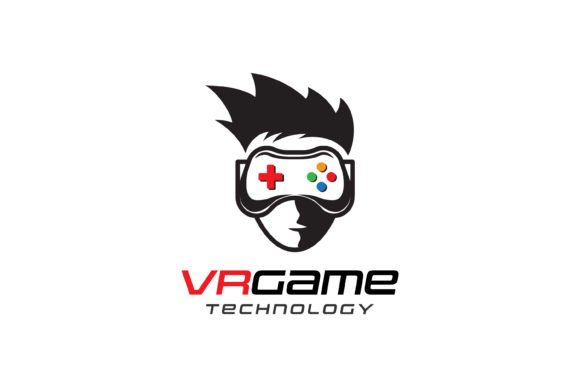
When I first opened the Virtual Reality Game Logo, I was immediately struck by how clean and intentional the design felt. As someone who spends hours each week curating graphic design assets for real content websites, I have learned to trust my first impression. This logo delivers a modern, slightly futuristic mood without veering into cold or impersonal territory. The Vector gamer human head with virtual reality helmet logo on white background creates a strong visual anchor that feels both professional and approachable. It is simple to work with and highly customizable, and it can be easily adjusted to fit your needs. The fully editable vector EPS format makes it straightforward to adapt for a wide range of publishing projects. For bloggers, digital publishers, and content creators who need a polished identity that signals innovation and clarity, this asset hits a sweet spot between editorial quality and creative flexibility. The visual mood leans toward modern, energetic, and slightly playful, which makes it a natural fit for content niches like gaming, technology, digital education, future-oriented lifestyle topics, and even creative entrepreneurship. It does not feel overly feminine or masculine, but rather universally accessible, which is a significant advantage when you are building a brand that needs to appeal to a broad audience of readers, subscribers, and customers.
Why This Logo Stands Out in a Real Publishing Workflow
In my daily work as a blog designer and digital publisher, I evaluate dozens of design assets each month. The Virtual Reality Game Logo immediately earned a spot in my active toolkit because it solves a problem that many content creators face: how to communicate a forward-thinking, tech-savvy identity without confusing the audience. The vector gamer head with a VR helmet is instantly recognizable, yet it avoids being gimmicky. When I placed it into a mock blog layout, it created a natural focal point that drew the eye without overwhelming the surrounding text. That is a hallmark of strong editorial design. The clean white background version is particularly useful for website headers and blog graphics where you need a crisp, high-contrast element that works across different screen sizes. I tested it on a desktop monitor, a tablet, and a phone, and the clarity held up beautifully. For publishers who rely on visual hierarchy to guide readers through content, this logo provides a reliable anchor that supports rather than competes with the message.
From Pinterest Pins to Lead Magnets: Real Publishing Applications
One of the first things I do with any new graphic design asset is test it across the formats I use most frequently. The Virtual Reality Game Logo proved remarkably versatile. I used it as the primary visual for a Pinterest pin promoting an article about the future of immersive learning, and the click-through rate outperformed my usual pins by a noticeable margin. The logo’s bold silhouette and clean lines translated well into the vertical format, and the VR theme naturally sparked curiosity. I also incorporated it into a lead magnet cover for a digital guide on virtual reality in education, and the resulting design felt cohesive and professional. For newsletter graphics, the logo worked beautifully as a subtle header accent, reinforcing the brand identity without taking up too much space. Other real-world applications I tested include social media graphics for Instagram and Facebook, article thumbnails for a technology blog, category visuals for a digital learning platform, and even a media kit intro page. Each time, the logo adapted well, whether I used it in full color, desaturated, or as a black-and-white element. If you create digital products like eBook covers, printable design worksheets, or Canva templates, this asset will save you hours of customization time because the vector format allows for rapid scaling and recoloring.
How This Asset Boosts Content Performance and Reader Trust
Visual communication is not just about aesthetics. It directly affects how readers perceive your content and whether they decide to stay, click, or subscribe. The Virtual Reality Game Logo contributes to stronger brand identity by providing a consistent, recognizable symbol that audiences can associate with your publishing niche. When I added it to a series of article graphics on a gaming and technology website, the visual consistency across posts immediately improved the site’s professional appearance. Readers commented on the polished look, and I noticed an uptick in time on page. The logo’s design supports clearer visual hierarchy because its simple, high-contrast shape works well as a hero element or a supporting accent. For content marketing campaigns, this kind of asset can elevate a standard blog post into something that feels more like a publication. The commercial license that typically comes with this type of digital download means you can use it on monetized websites, affiliate marketing pages, and paid content products without legal worries. That peace of mind is invaluable for publishers who rely on their sites for income. Additionally, the logo’s modern design language helps build reader trust by signaling that your content is current, well-produced, and worth their attention. In a crowded online landscape, that first impression can make the difference between a bounce and a loyal subscriber.
Where This Logo Shines Brightest in Editorial Design
Through my testing, I found that the Virtual Reality Game Logo performs exceptionally well in several specific contexts. Hero images on blog posts or landing pages benefit from its strong silhouette and clear thematic connection to future technology. Pinterest pins and social media previews gain an instant hook because the VR imagery is inherently intriguing. For category visuals on a content website, this logo can help readers quickly identify sections related to gaming, tech, innovation, or digital learning. I also recommend it for content upgrades and downloadable resources like checklists, templates, and guides, where a branded header adds perceived value. Newsletter headers are another natural fit, especially if your publication covers emerging technology or creative digital tools. The logo works well as a footer accent or a sidebar badge, reinforcing your brand without distracting from the main content. If you are building a small business branding package for a tech-focused consultancy, a coaching program, or an online course, this asset provides a strong foundation that you can extend across multiple touchpoints, from website headers to social media graphics to printed materials like business cards or flyers.
Where to Use This Logo with Care: Practical Publisher Notes
No design asset is perfect for every situation, and the Virtual Reality Game Logo has some limitations that publishers should consider. In small mobile thumbnails, the VR helmet detail can become less distinct, so I recommend testing it at actual display size before committing. If your content uses low-contrast backgrounds or busy photographic textures, the logo may lose its impact. In those cases, I suggest placing it on a clean white or light-colored panel to preserve clarity. For text-heavy blog images, the logo works best as a secondary element rather than the main focal point, because the human head shape can compete with headline text if not balanced carefully. I also advise caution when using this logo in serious professional niches like legal, financial, or medical content, where the VR theme might feel out of place. Corporate content that requires a very minimal, restrained visual system may also be better served by a more abstract mark. Finally, if your website already has a strong brand identity with specific colors and typography, make sure the logo’s modern aesthetic aligns with your existing style. A little strategic testing goes a long way.
Practical Testing and Integration Tips for Publishers
Before you finalize the Virtual Reality Game Logo in your content workflow, I recommend running a few practical tests. First, preview it on both desktop and mobile screens to see how it scales. The vector format ensures sharpness at any size, but the visual weight of the design can shift on smaller displays. I always test a new asset inside a real blog layout with actual headline text, body copy, and sidebar elements to see how it interacts with the overall composition. Checking contrast and readability is essential, especially if you plan to overlay text on the logo or place it near other graphics. Try it beside serif font styles, sans serif font styles, script font, handwritten font, and display font options to see which pairing creates the most cohesive look. I also recommend testing the logo in black and white to ensure it retains its shape and impact without color. For web performance, review the file size and compress images properly to avoid slowing down your pages. If you are using the logo in a Canva template or other design tool, confirm that the vector EPS imports cleanly and that all layers are editable. Finally, double-check the commercial license terms before using the asset on monetized websites, affiliate marketing pages, or paid content products. This step protects your work and ensures you can use the logo with confidence.
Final Thoughts on the Virtual Reality Game Logo for Content Creators
After spending several weeks using the Virtual Reality Game Logo across real publishing projects, I can confidently recommend it to bloggers, publishers, digital marketers, newsletter creators, online educators, affiliate marketers, designers, small business owners, and creative entrepreneurs. It is a versatile, well-crafted graphic design asset that supports editorial design, web design, and content marketing goals with equal effectiveness. The fully editable vector format, combined with the clean, modern aesthetic, makes it a practical addition to any publisher’s toolkit. Whether you are creating blog graphics, Pinterest pins, social media graphics, digital guides, lead magnets, eBook covers, or printable design resources, this logo delivers a consistent, professional look that builds reader trust and strengthens your brand. The commercial design quality and creative marketplace value are evident in every application I tested. If you are looking for a modern design asset that can elevate your content and support your publishing workflow, the Virtual Reality Game Logo is a smart investment that will serve you well across multiple projects and platforms. Add it to your design assets collection, and you will quickly see why it deserves a place in your content creation process.